
ALTCS share of cost and room & board, explained in plain English
Short answer: When someone on ALTCS lives in assisted living in Arizona, ALTCS pays for the care. The resident pays toward the rest from their own monthly income in two pieces: a share of cost (calculated by ALTCS) and room and board (housing and meals, which Medicaid doesn't cover outside a nursing home). They keep a personal needs allowance of about $149.10 a month.
Why ALTCS doesn't pay for everything in assisted living
Federal Medicaid rules let states pay for services in community settings like assisted living, but not for rent and food. In a nursing home, Medicaid pays the whole bill because the stay is considered medical. That's why ALTCS residents in assisted living still contribute from their income, and why the total a family actually pays is usually much less than the private rate.
The three numbers that matter
1. Share of cost
ALTCS looks at your parent's monthly income (Social Security, pension, etc.), subtracts allowed deductions, and sets a monthly amount the resident must contribute toward their care. Some residents with low income have no share of cost at all. The amount is on the ALTCS approval letter.
2. Room and board
This is the housing-and-meals portion. Each assisted-living home sets its room-and-board rate for ALTCS residents, and it's paid from the resident's income.
3. Personal needs allowance
The resident keeps about $149.10 a month (2026) for personal items: haircuts, clothing, snacks, phone.
A simplified example
Imagine Mom receives $1,600 a month in Social Security. In a simplified picture, she keeps her personal needs allowance of about $149.10, and the rest of her income goes toward room and board and any share of cost. ALTCS pays the home directly for her care. Her family pays nothing out of pocket, and her savings (which had to be under $2,000 to qualify) aren't touched.
Every case is different, especially with a spouse at home, a Miller trust, or Medicare premiums. Before move-in we'll walk your family through the actual numbers using the ALTCS approval letter.
What if Mom's income is over the limit?
In 2026 the ALTCS income limit for one person is $2,982 a month. If income is higher, an income-only trust (often called a Miller trust or qualified income trust) can be set up so the excess income doesn't disqualify her. An elder-law attorney or ALTCS planner can set one up quickly.
What if Dad is still at home?
ALTCS protects the "community spouse." The spouse at home can keep the house, a car, and a share of the couple's savings and income. The exact amounts change yearly. This is where professional advice pays for itself.
Private pay first, then ALTCS
Many families pay privately for a month or two while the ALTCS application is processed, then switch once approved. At Fountain, your parent stays in the same room when that happens. See ALTCS assisted living in Mesa for how to apply.
Common questions
What is ALTCS share of cost?
Share of cost is the monthly amount ALTCS requires a member to contribute toward their long-term care from their own income, after allowed deductions. Some members have no share of cost.
Does ALTCS pay room and board in assisted living?
No. Medicaid rules don't allow ALTCS to pay room and board in assisted living. The resident pays it from their income; ALTCS pays for the care services.
How much is the ALTCS personal needs allowance in 2026?
About $149.10 a month for a resident in a facility. Confirm the current figure with AHCCCS.
Who do I pay at the assisted living home?
The resident (or their representative) pays the home the room and board and share of cost each month; ALTCS pays the home for care through the resident's plan (Mercy Care, UnitedHealthcare or Banner).
General information, not legal or financial advice. Confirm current figures with AHCCCS or an elder-law attorney.
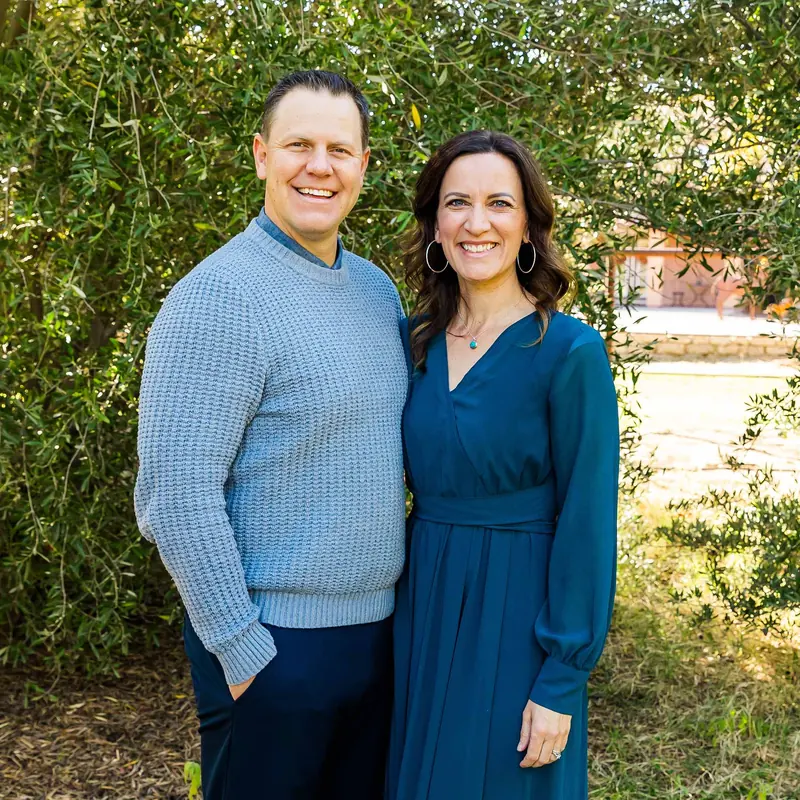
Kirstin Lundahl runs Fountain Assisted Living in Mesa, AZ. She cared for both of her parents through the end of their lives and now helps East Valley families through the same decisions. Questions? Call (480) 299-3310.



 Schedule a tour
Come see it for yourself
Walk the halls, sit in the gazebo, meet the caregivers. Most families know within ten minutes whether it feels right.
(480) 299-3310