
Supervisory, personal and directed care: Arizona's three assisted-living levels
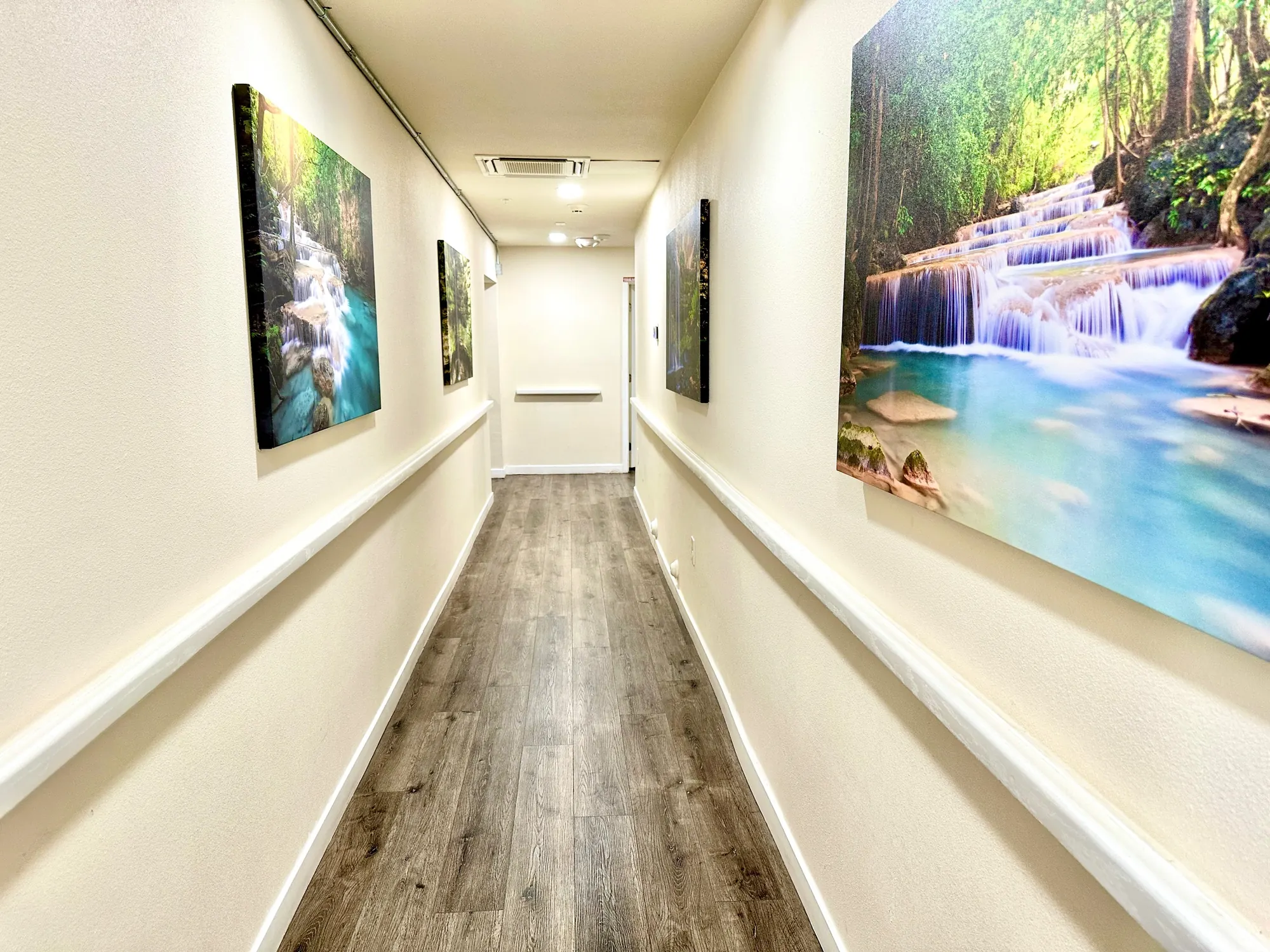
Short answer: Arizona licenses assisted living at three levels: supervisory care (general oversight), personal care (hands-on help for residents who can direct their own care) and directed care (care for people who can't recognize danger, call for help, express needs or make basic decisions). "Memory care" isn't a separate Arizona license; residents with dementia need a home licensed for directed care.
Level 1: Supervisory care
For residents who are largely independent but shouldn't live alone. Staff provide general supervision, know how each resident is doing day to day, can step in during a crisis, and help with taking medications.
Good fit: Dad still dresses himself and walks to meals, but forgets medications and isn't safe living alone anymore.
Level 2: Personal care
Adds hands-on help with activities of daily living (bathing, dressing, grooming, toileting, eating, moving around) for residents who can still direct their own care. That means they can tell staff what they need and call for help.
Good fit: Mom needs help in the shower and with buttons, but knows what she wants, can use a call button, and would leave the building if an alarm sounded.
Level 3: Directed care
Arizona law (A.R.S. § 36-401) defines directed care services as programs and services, including supervisory and personal care, provided to people who are incapable of recognizing danger, summoning assistance, expressing need or making basic care decisions.
Good fit: Mom has Alzheimer's, sometimes doesn't recognize her room, wanders toward exits, and wouldn't know what to do in an emergency.
Side by side
| Supervisory | Personal | Directed | |
|---|---|---|---|
| General oversight | ✓ | ✓ | ✓ |
| Help with medications | ✓ | ✓ | ✓ |
| Hands-on help with bathing, dressing, toileting | ✓ | ✓ | |
| Residents who can't direct their own care (moderate–advanced dementia) | ✓ |
Why the license matters more than the brochure
A home licensed only for personal care cannot keep a resident who can no longer direct their own care. As dementia progresses, that resident must move, often after a fall or hospital stay, when moving is hardest. Choosing a directed-care home from the beginning can prevent a second move.
Always ask, "What level are you licensed for?" and confirm it yourself. Our guide how to check an assisted living license in Arizona shows how.
Homes vs. centers
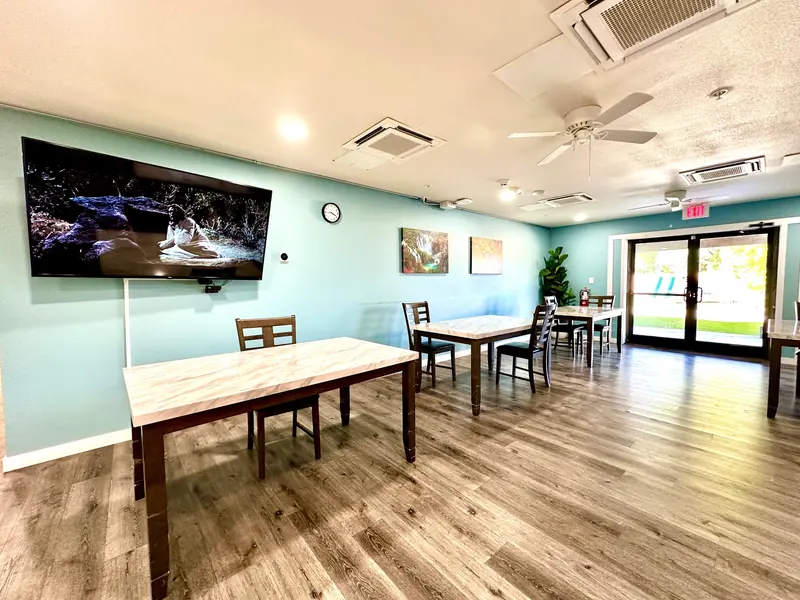
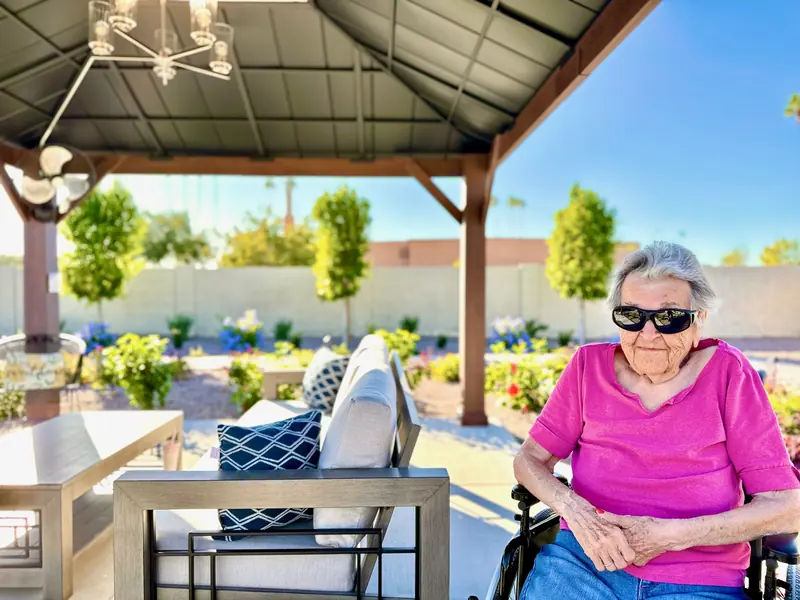
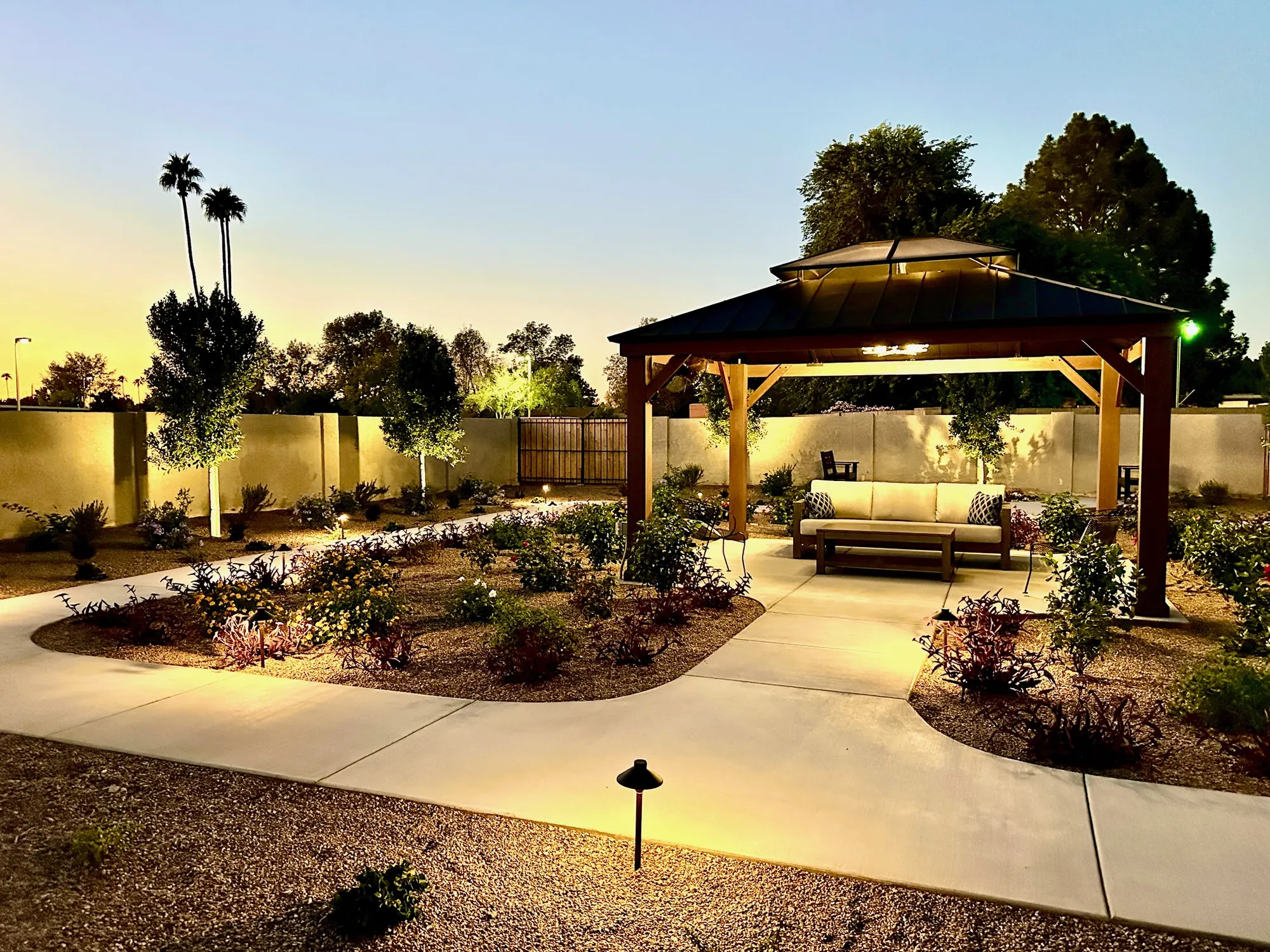
Arizona also separates assisted living homes (10 or fewer residents) from assisted living centers (11 or more). Both can hold any of the three care levels. Fountain is a 27-resident assisted living center licensed for directed care. That's big enough for a commercial kitchen, a library and a large backyard, and small enough for every caregiver to know every resident.
Common questions
What is the highest level of assisted living in Arizona?
Directed care. It's the only assisted-living license level that allows a home to admit and keep residents who can't recognize danger, call for help, express needs or make basic care decisions.
Is memory care a license in Arizona?
No. Memory care is a marketing term. In Arizona, a home caring for residents with moderate to advanced dementia needs a directed-care license.
What's the difference between an assisted living home and an assisted living center in Arizona?
Size. Assisted living homes serve 10 or fewer residents; assisted living centers serve 11 or more. Both are licensed by the Arizona Department of Health Services at the supervisory, personal or directed care level.
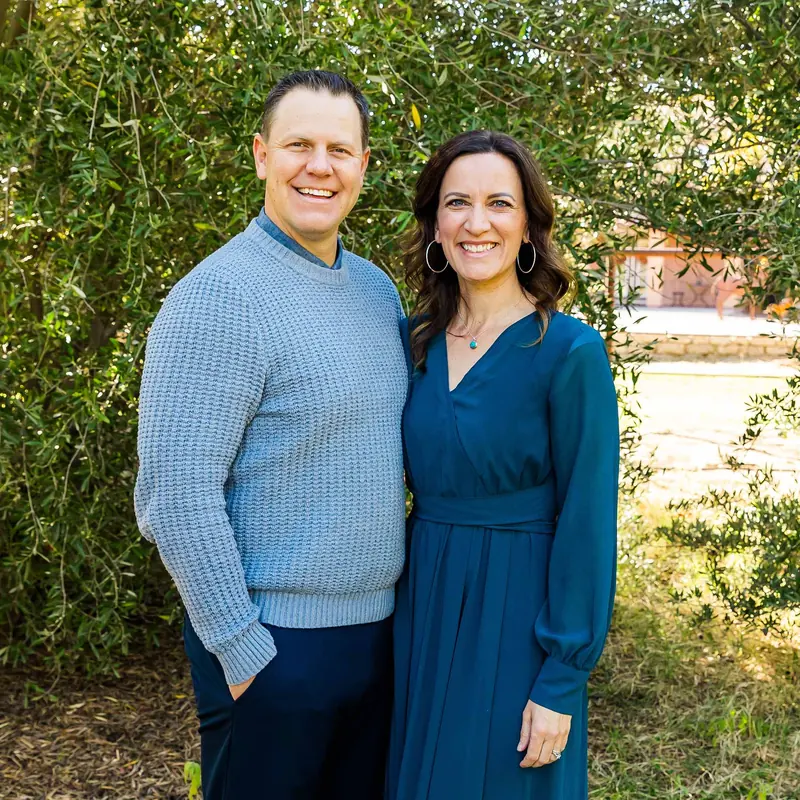
Kirstin Lundahl runs Fountain Assisted Living in Mesa, AZ. She cared for both of her parents through the end of their lives and now helps East Valley families through the same decisions. Questions? Call (480) 299-3310.

 Schedule a tour
Come see it for yourself
Walk the halls, sit in the gazebo, meet the caregivers. Most families know within ten minutes whether it feels right.
(480) 299-3310