
Assisted living vs. nursing home: which does your parent actually need?
Short answer: Assisted living gives help with daily activities (bathing, dressing, medications, meals) in a home-like setting with trained caregivers. A nursing home (skilled nursing facility) adds 24-hour licensed nursing for serious medical needs. Most people with dementia or mobility limits need assisted living with a directed-care license, not a nursing home. ALTCS can pay for either.
The real differences
| Assisted living (directed care) | Nursing home | |
|---|---|---|
| Who it's for | People who need help with daily life, including dementia | People who need daily skilled nursing or rehab |
| Staff | Trained caregivers 24/7; outside nurses and home health as needed | Licensed nurses 24/7, physicians on staff or on call |
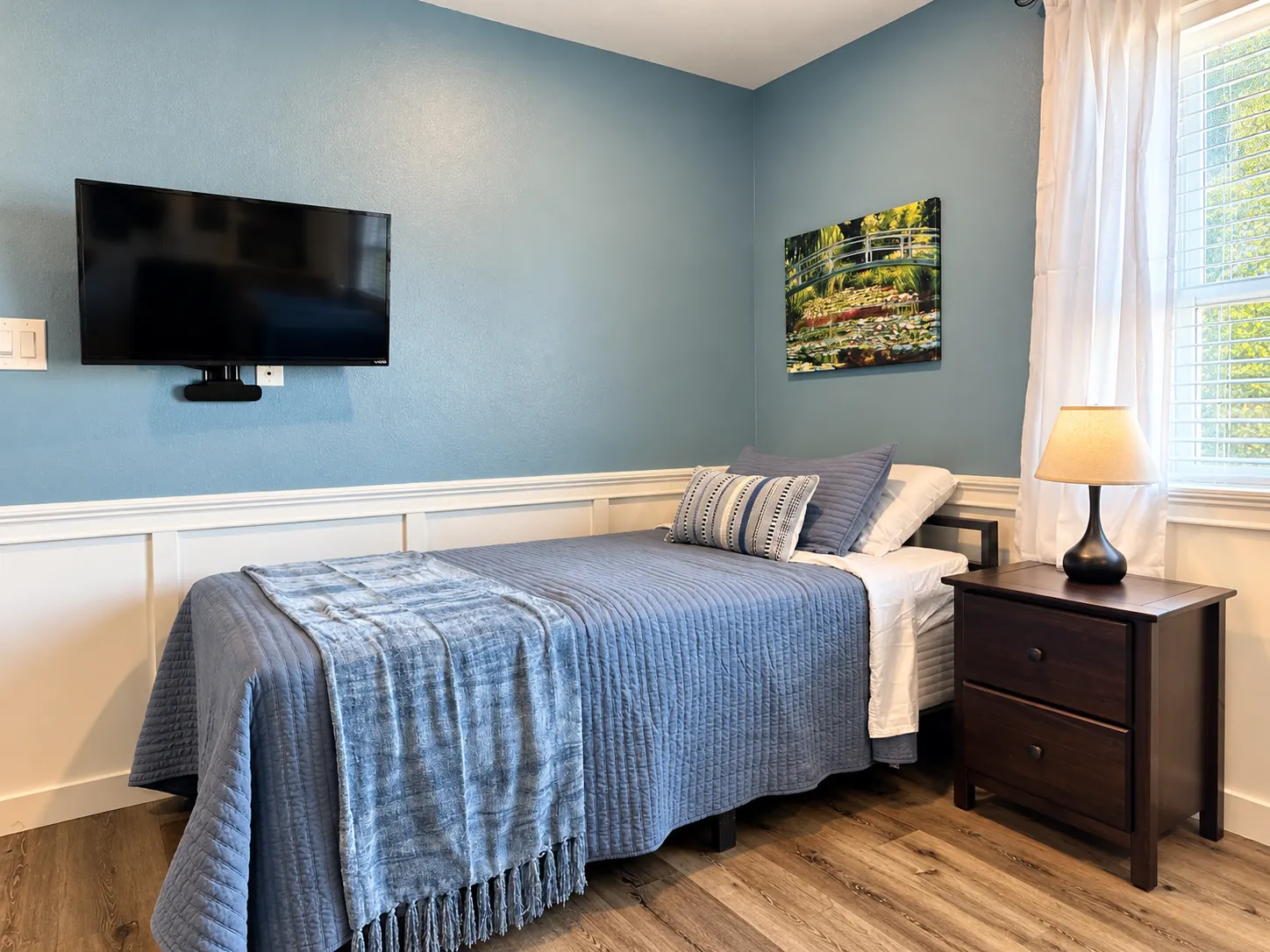
| Setting | Home-like; often small; private or shared rooms | Clinical; usually larger; often shared rooms |
| Daily life | Meals together, activities, gardens, routines | Built around medical care and therapy |
| Cost | Usually much less than a nursing home | The most expensive long-term care setting |
| Medicare | Doesn't pay room, board or custodial care | Pays a limited short-term rehab stay after a hospitalization |
| ALTCS | Pays for care; resident pays room & board from income | Pays nearly everything; resident contributes income |
When assisted living is the better fit
- Your parent needs help with bathing, dressing, toileting, medications or mobility, including a Hoyer lift
- They have dementia and wander, sundown, or can't be left alone
- They're diabetic and need insulin given reliably
- Their medical conditions are stable
When a nursing home is the better fit
- They need skilled nursing daily: IVs, complex wound care, feeding tubes, frequent injections other than insulin
- They're recovering from surgery or a stroke and need intensive rehab (often a short Medicare-covered stay)
- Their condition is medically unstable
A common path
Many East Valley families go hospital → short rehab stay in a skilled nursing facility → assisted living. If that's where you are, read From hospital to assisted living.
Common questions
Is assisted living cheaper than a nursing home?
Usually, yes. Assisted living typically costs significantly less than a nursing home, because it doesn't include 24-hour licensed nursing.
Does Medicare pay for assisted living?
No. Medicare doesn't pay for room and board or custodial care in assisted living. ALTCS (Arizona Medicaid), long-term care insurance, VA benefits or private funds are the usual sources.
Can someone on ALTCS choose assisted living instead of a nursing home?
Yes. ALTCS members can live in assisted-living homes and centers that contract with their plan, which many families prefer to a nursing home.

Kirstin Lundahl runs Fountain Assisted Living in Mesa, AZ. She cared for both of her parents through the end of their lives and now helps East Valley families through the same decisions. Questions? Call (480) 299-3310.



 Schedule a tour
Come see it for yourself
Walk the halls, sit in the gazebo, meet the caregivers. Most families know within ten minutes whether it feels right.
(480) 299-3310